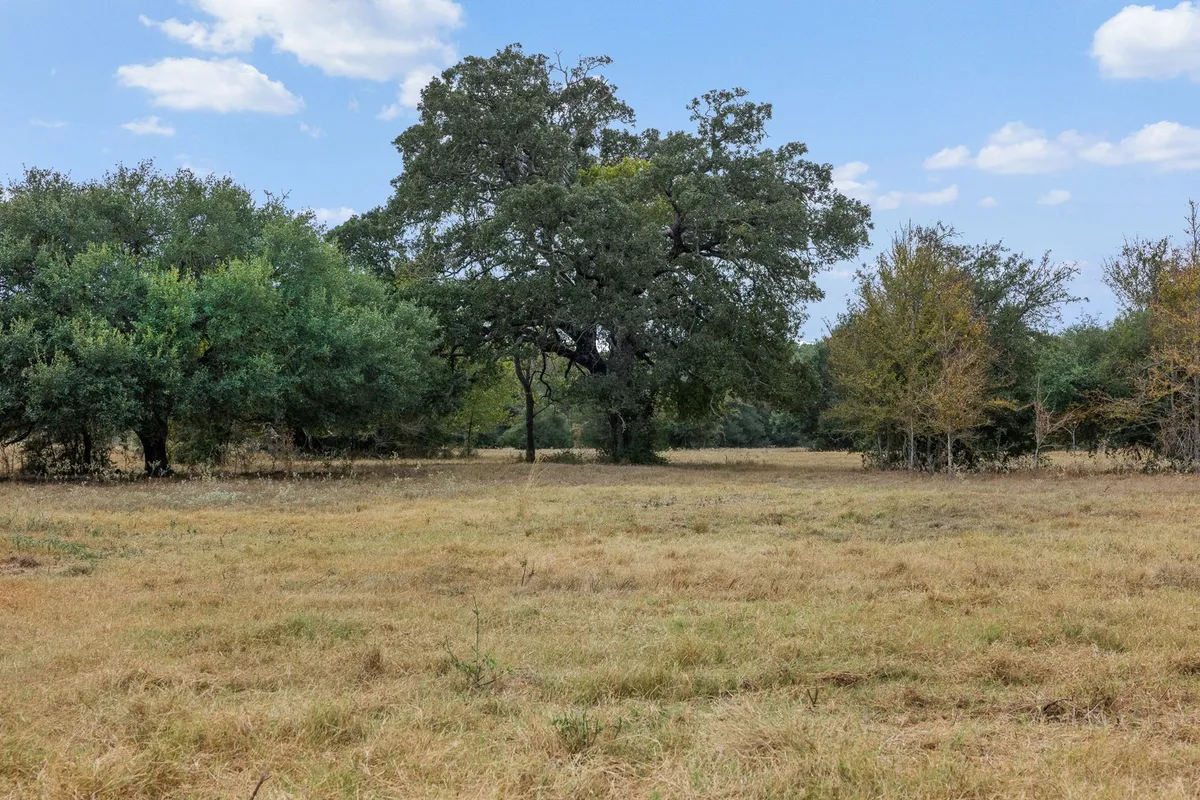
Buying a Lot in the Hill Country: The View Is Not the Value
By Kyle Ritter | Anders Pierce Realty
Every week somebody sends me a lot with a sunset photo and the words "I think this is the one." Sometimes it is. But the view is the one thing on that lot you can see from your phone, and it's almost never what decides whether the lot is a good buy.
What decides it is everything you can't see in the photo: how you get there, where the water comes from, whether septic fits, and what's under the dirt. Two lots at the same price can be tens of thousands of dollars apart once you add what it takes to build on them.
Same Price, Very Different Lot
Picture two one-acre lots listed at the same price, a few miles apart:
| Lot A (the view lot) | Lot B (the boring lot) | |
|---|---|---|
| Access | Private road, long uphill driveway | County road, short driveway |
| Water | No main at the road, well needed | Water main along the frontage |
| Ground | Slope, rock at the surface | Gentle grade, some soil |
| Septic | Tight once you add well and septic setbacks | Room for the spray area away from the house |
| Result | Same lot price, much bigger site-work bucket | Same lot price, predictable site work |
Lot A might still be the right lot for you. The point is to know the real price before you buy, not after.
The Lot-Fit Test
Run every lot through these five filters. Anything you can't answer goes on your option-period to-do list.
- Access. Is there legal, recorded access? Public or private road? Any low-water crossing on the only way in? (Full breakdown in Road Access, Low-Water Crossings, and Easements.)
- Water. Who's the provider, is a tap actually available for this lot, and what does it cost? Or is it a well?
- Wastewater. Sewer at the lot line, or septic? If septic, is there room after setbacks?
- Build envelope. After building setbacks, easements, septic area, and any floodplain, does your house plus garage plus patio still fit?
- Ground. Slope, visible rock, and where water runs when it rains.
And one more that isn't physical: rules. Deed restrictions and HOA guidelines can set minimum square footage, required materials, and whether you can have a shop, animals, or a short-term rental. Read them before you write the offer if you can.
Homework You Can Do From Your Couch
Before you even drive out, check:
- The appraisal district map (Comal, Guadalupe, Hays, or whichever county) for acreage, the property ID, and whether it carries an ag or wildlife valuation.
- The FEMA Flood Map Service Center for floodplain.
- The PUC of Texas CCN viewer to see which water utility holds the service area.
- The USDA Web Soil Survey for a rough idea of soil depth.
- Neighbors' septic records. In unincorporated Comal County, the County Engineer's Office handles septic (OSSF) permits, and many permit files are posted online. A neighbor's site evaluation can tell you how deep they hit rock. One 2025 permit file for a 1.05-acre lot in the county logged rock at about 12 inches.
Walk It With a Builder During the Option Period
This is the single best money you'll spend. A builder or experienced site contractor sees a lot differently than you do. Bring your three-column list and a rough footprint, and ask:
- Where would you put the house, and why?
- Where does the driveway go, and how steep is it?
- Where would septic and the spray area likely go?
- Do you see rock that changes excavation, trenching, or foundation cost?
- Where does water run toward the pad?
- What's your low, likely, and high guess for site work here?
You're not looking for a final bid. You're looking for a range and a list of unknowns to close out before your option period ends.
An Option-Period Plan for Land
On land, I usually push for a longer option period than on a house, often in the 15 to 30 day range, because you're waiting on other people's calendars. Here's how I'd use a 21-day window:
- Days 1 to 3: Under the TREC Unimproved Property Contract, the option fee and earnest money go to the escrow agent within 3 days of the effective date. Miss the option fee and you lose your unrestricted right to terminate. Order the survey and get the restrictions and HOA documents in hand.
- Days 2 to 7: Call the water provider and electric provider with the property ID. Ask for availability and cost in writing. Book a site evaluator for septic.
- Days 5 to 10: Builder walk. Stake the rough house corners if you can.
- Days 8 to 16: Site evaluation results, utility answers, and any well information. Get an excavation or site-work estimate if the builder flagged rock or slope.
- Days 15 to 19: Review the title commitment and survey for easements. (The title company has up to 20 days after it receives the contract to deliver the commitment, so line those dates up with your option period.)
- Days 19 to 21: Decide: close as-is, renegotiate with real numbers, or terminate. Notice has to be delivered by 5:00 p.m. local time on the last day.
Use your actual contract dates, not mine, and if anything in the contract isn't clear, ask a real estate attorney.
The Bottom Line
The view is real. So is the driveway, the rock, and the septic setbacks. Buy the lot that fits your plan and your budget, then enjoy the view from a house you could actually afford to finish.
If you've got a lot you're eyeing, text me the link at 830-998-4412 along with your rough plan, and I'll run it through the lot-fit test with you before you write an offer.
Kyle Ritter | Anders Pierce Realty | 830-998-4412 | [email protected]
This article is for educational purposes only and isn't legal or engineering advice. Contract terms vary, so read your own contract and consult a Texas real estate attorney with legal questions.
