Slope, Rock, and Site Work: Where Hill Country Build Budgets Blow Up
By Kyle Ritter | Anders Pierce Realty
People budget for countertops, tile, and cabinets down to the dollar. Then the excavator shows up, hits limestone eight inches down, and the conversation changes.
In the Hill Country, a lot of custom home budgets are won or lost in the dirt. Site work never shows up in the listing photos, it varies more from lot to lot than anything else in the build, and it's often partly excluded from a builder's base price. Here's where the money goes, what drives the number, and how to get it quoted before you close on the lot.
Why I'm Not Giving You a Price Per Foot
You'll find driveway and rock-trenching prices online. I'm not going to repeat them, because out here the answer swings too much with the lot, the rock, and the season to mean anything until somebody stands on your dirt. What I can tell you is exactly what moves each number, so you can ask the right people the right questions.
Where the Money Goes
1. Clearing and the build pad
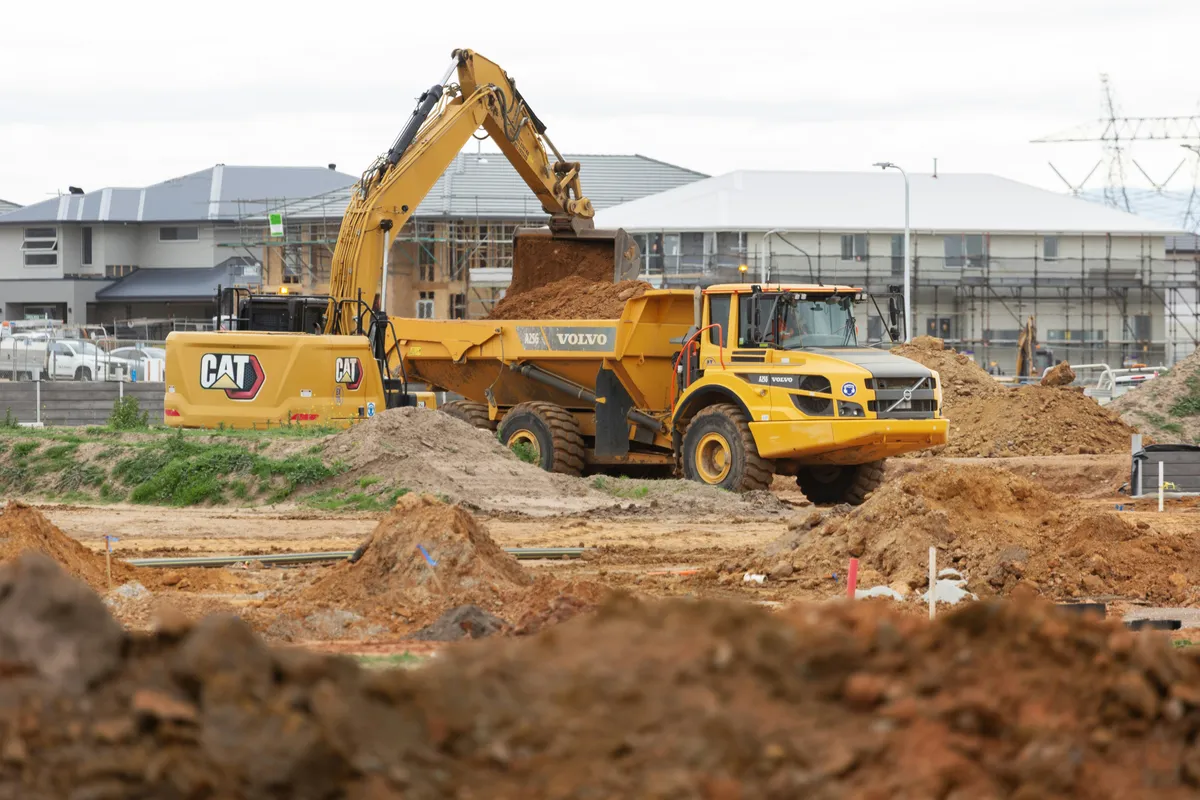
Cedar and brush removal, then shaping a level pad for the house, garage, and driveway approach. On a flat lot, this is modest. On a slope, you're cutting the high side and filling the low side, and fill has to be the right material and compacted properly.
What drives it: slope across the footprint, how much the cut and fill balance on site, and whether you have to haul spoils off or import select fill.
2. The driveway
What drives it: length, grade, how much rock you're cutting through, base material and surface (caliche or crushed base versus asphalt or concrete), culverts at the road and at any drainage crossing, and whether any part needs a retaining wall. If it connects to a county road in unincorporated Comal County, it also needs a PIPROW permit and inspection from the County Engineer's Office, and the inspector will weigh in on any culvert. Access issues are covered in Road Access, Low-Water Crossings, and Easements.
3. Rock
West of the Balcones Escarpment, the Hill Country is mostly a thin layer of soil over limestone. Rock shows up in four places in your budget:
- Foundation excavation and pier drilling
- Utility trenches (water, electric, septic lines)
- Septic tanks and components
- Pools, if you're planning one
Soft rock can sometimes be ripped with a large machine. Hard rock may need a rock saw, a trencher with rock teeth, or a hydraulic hammer, which is slower and costs more. Nobody can tell you which until they dig.
What drives it: depth to rock, hardness, and the total length of trench and depth of excavation your plan needs.
4. Utility trenches and extensions
Power and water at the road still have to get to the house. Your electric provider (around here, often NBU, Pedernales Electric Cooperative, or Guadalupe Valley Electric Cooperative depending on the location) will quote line extension, transformer, and trenching under its own policies. The water service line from the meter is usually yours to trench.
What drives it: distance from the road to the house. A house set 400 feet back for privacy is 400 feet of trench, often through rock, for every utility.
5. Retaining walls and drainage
Slopes often need walls to hold the pad, the driveway, or a usable backyard, plus swales and drains to keep water moving around the house instead of toward it. Taller walls may need engineering.
What drives it: how much grade change you're fighting and how much flat outdoor space you want.
6. Septic and well
Both are site work, and both are covered in their own posts: Septic on Limestone and Water for Your Build.
Flat vs. Rock vs. Slope: Same Plan, Different Foundation
The same floor plan can need very different foundations on different lots:
- Flat with decent soil: the simplest pad prep and foundation.
- Flat but rocky: the pad can be solid, but excavation for footings, plumbing, and piers costs more.
- Sloped: more fill on the low side, deeper beams or piers, possibly a stepped foundation or a walkout design. A single-story plan on a steep lot is where I see budgets stretch the most.
- East of I-35 around New Braunfels: you're often off the rock and onto deeper clay soils that move with moisture, which brings its own foundation design conversation.
Your foundation should be designed by an engineer for your soil, and many engineers will want a soils (geotechnical) report. Ask your builder whether that's included or a soft cost. It belongs in your soft-costs bucket either way.
How to Get Site Work Quoted Before You Close
This is the whole point. Use your option period to turn "it depends" into a range:
- Stake the house. Even rough corner stakes and a flagged driveway line make every estimate better.
- Walk it with a builder or site contractor. Ask for a low, likely, and high number for clearing, pad, driveway, trenching, and retaining.
- Ask for rock pricing as a unit price. Per foot of trench or per hour of rock hammer, so a surprise has a known price.
- Get the electric provider's estimate for the line extension to your staked house location.
- Get the septic site evaluation and a design-and-install estimate.
- Get water in writing: tap availability and total cost, or well information from local drillers.
- Consider a topographic survey on any lot with real slope. Your designer will need one anyway.
Read the Builder's Bid for These Words
- "Excludes rock" or "assumes normal soil conditions"
- "Site work by owner" or "to the pad only"
- "Allowance" next to driveway, septic, or utilities
- "Assumes balanced pad" (no import or export of fill)
- Any line that says "TBD"
None of those are red flags on their own. They're just the parts of the price that aren't fixed yet, and they're the parts you need to put a number on.
The Bottom Line
Site work is where Hill Country budgets break, but it doesn't have to be a surprise. Every line can be estimated before you close if you stake the house, walk it with the right people, and ask for the numbers in writing. Then carry a healthy contingency for what nobody could see.
If you're under contract or about to be, text me at 830-998-4412 and I'll help you line up the walk and the estimates before your option period ends.
Kyle Ritter | Anders Pierce Realty | 830-998-4412 | [email protected]
This article is for educational purposes only and isn't engineering or financial advice. Site conditions and costs vary by lot, so get written estimates from licensed professionals and your builder before you commit.
